
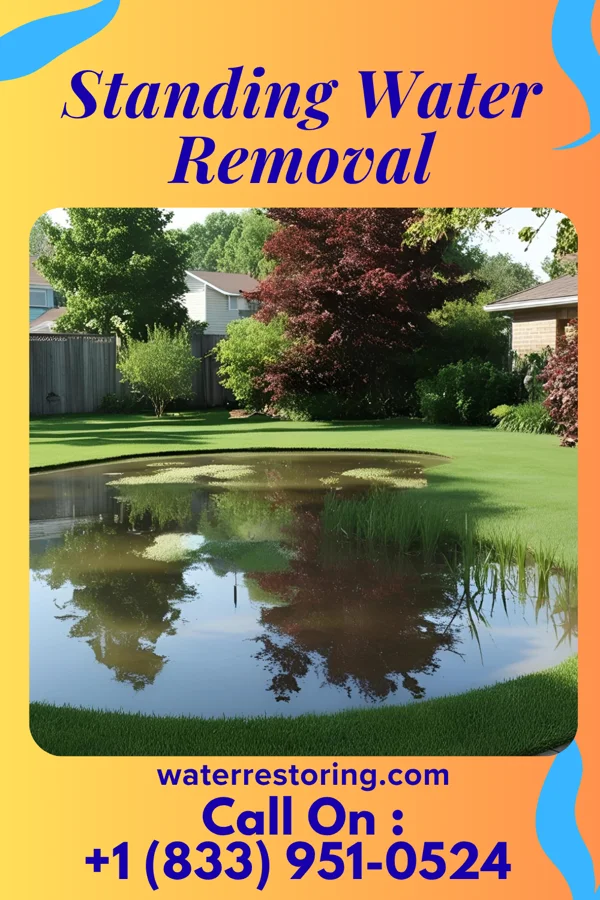
Palisades Park Standing Water: What Owners Should Know
Residential or commercial, water damage emergencies in Palisades Park keep coming back to the same drivers. In Palisades Park, New Jersey, water damage is often caused by heavy rainfall and overflowing stormwater systems, especially during the spring and summer months. The proximity to the Hudson River and frequent thunderstorms contribute to localized flooding in lower-lying areas, particularly near the park's historic districts. sits at the top of the list. A close second is Secondary causes include leaking roofs, plumbing failures in older homes, and groundwater seepage due to the area's high water table. Additionally, nearby construction projects in Leonia and Ridgefield Park can lead to temporary drainage issues affecting Palisades Park properties..
Palisades Park experiences a humid continental climate with significant seasonal precipitation, increasing the risk of water intrusion during heavy storms. The area's elevation and surrounding topography make it vulnerable to flash flooding, especially during hurricane season.
Water damage in Palisades Park follows a few local patterns. In Palisades Park, New Jersey, water damage is often caused by heavy rainfall and overflowing stormwater systems, especially during the spring and summer months. The proximity to the Hudson River and frequent thunderstorms contribute to localized flooding in lower-lying areas, particularly near the park's historic districts. accounts for the bulk of our calls. Palisades Park experiences a humid continental climate with significant seasonal precipitation, increasing the risk of water intrusion during heavy storms. The area's elevation and surrounding topography make it vulnerable to flash flooding, especially during hurricane season. Mold growth can occur rapidly in Palisades Park due to the high humidity and frequent rainfall, making it crucial to address water damage within 48 hours to prevent health hazards and structural damage.
For public guidance on the health effects of mold after prolonged water exposure, see the EPA mold and health page.